
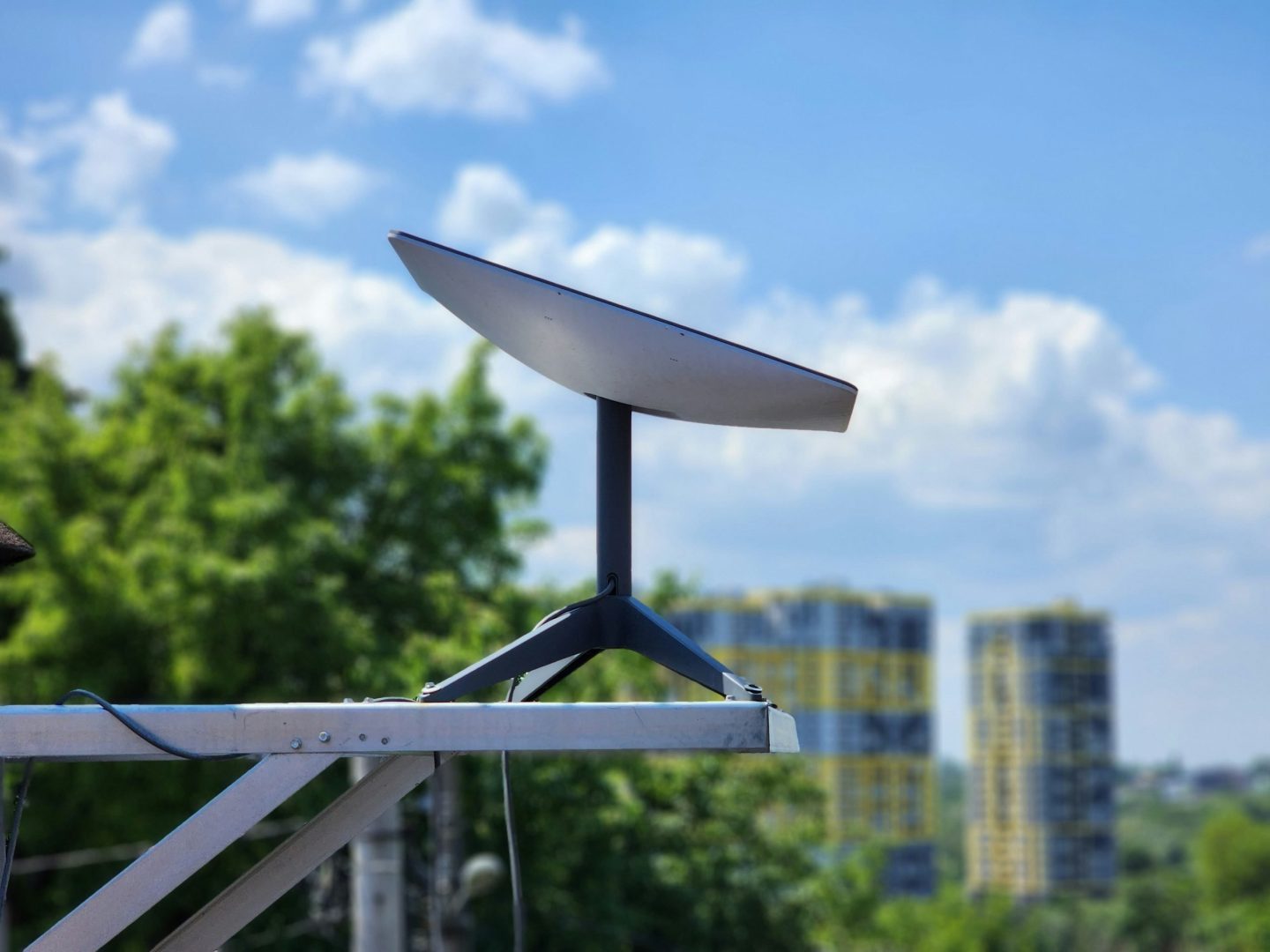
SpaceX’s Starlink mobile plans in Australia are drawing attention from local telcos as satellite-to-phone services expand beyond limited messaging.
The Wall Street Journal reported that SpaceX has been exploring the mobile services market, citing people familiar with the matter. SpaceX president Gwynne Shotwell has also discussed the company’s mobile ambitions with investors.
A Starlink mobile service would differ from a standard national mobile plan because it would be built around a global satellite network. SpaceX has described its mobile ambitions in global terms, rather than as a country-by-country service.
Satellite-to-phone expands
Satellite-to-phone services currently remain limited, although SpaceX has started offering commercial messaging through Starlink Direct to Cell in the US and New Zealand. SpaceX says it is working toward support for IoT devices, data, and voice.
In a February 2025 update, SpaceX said millions of messages were sent through Starlink Direct to Cell during beta testing and emergency scenarios in 2024. The company described commercial messaging as the first step in its plan to reduce mobile dead zones.
SpaceX says Starlink Direct to Cell uses mobile operator partners’ terrestrial networks and LTE spectrum. The company has described the model as similar to a roaming arrangement for wireless subscribers.
Venture Insights director David Kennedy told news.com.au that Starlink’s entry into mobile services would affect Australian operators, particularly if the company begins offering services locally.
“My expectation is in 2030, there will be a Starlink mobile service that you can buy in Australia,” Kennedy said. “I think this is going to happen more quickly and more than some people expect.”
Telcos weigh network access
Starlink’s mobile plans would still involve existing terrestrial networks, because direct mobile services face technical limits.
Australian telcos could provide network access through commercial agreements, while Starlink would gain a route into the local mobile market. A domestic operator could also use Starlink to extend coverage in areas where terrestrial infrastructure is limited.
Indoor coverage remains a technical limit for satellite-based mobile services. Terrestrial networks operated by companies such as Telstra and Optus are still needed for broader mobile coverage, particularly indoors.
Telstra says its Starlink-enabled satellite messaging works when a compatible phone is outside mobile network range, outdoors, and has a clear view of the sky. Once connected to a Starlink Direct to Cell satellite, users can send and receive text messages, but the service does not support mobile data, voice calls, MMS, or internet-based messaging apps.
The current service is focused on outdoor coverage beyond mobile network range, while indoor coverage, mobile data, voice services, and capacity remain tied to terrestrial infrastructure.
Broader mobile service would require access to terrestrial mobile networks. In Australia, Starlink has already partnered with Optus for satellite-to-mobile services.
SpaceX says it has tested Direct to Cell with operator partners in Australia and is preparing commercial launches with mobile network operators in several countries, including Australia.
Kennedy said Australia’s mobile wholesale market is unregulated, which leaves room for operators such as TPG, Optus, or Telstra to strike commercial agreements with Starlink. He said one of the local operators could eventually agree to provide Starlink with wholesale network access.
A wholesale agreement would give Starlink a route into the local mobile market and give a domestic operator a satellite coverage option.
Coverage gap drives policy
The ACCC’s 2025 mobile infrastructure report said Telstra had 6,421 5G sites as of January 31, 2025, compared with 4,939 for Optus and 3,759 for TPG.
The figures show different network footprints across the three operators.
More recent coverage-map figures show the effect of Australia’s new measurement rules. Under the new standard, Telstra says its predicted mobile coverage footprint is over 2.14 million square kilometres, while Optus and Vodafone networks cover about 1.2 million square kilometres.
Starlink is preparing a new generation of satellites, known as V3, which SpaceX has said will be deployed by Starship. Kennedy said the larger launch vehicle would allow SpaceX to place large numbers of satellites into orbit once operational.
Kennedy said SpaceX’s approach has typically been to reach scale quickly and use that scale in the market.
Kennedy also raised questions about how existing telecoms rules would apply to global satellite networks. He said enforcement becomes more complex when the network infrastructure is not physically based in the country.
ACMA has published guidance for IMT satellite direct-to-mobile services, while the Australian Government’s proposed Universal Outdoor Mobile Obligation would require Optus, Telstra, and TPG to provide baseline outdoor mobile coverage across Australia.
The Australian Government has said the proposed obligation is expected to add up to 5 million square kilometres of basic outdoor mobile SMS and voice coverage, including areas that currently have no mobile coverage.
Kennedy said Starlink’s position in the satellite market could leave local telcos with limited bargaining power when negotiating satellite coverage arrangements under the proposed obligation.
Kennedy said the issue also raises digital sovereignty concerns because global platforms could have a larger role in local connectivity infrastructure. He said policy settings should not favour global platforms over domestic telecoms operators.
Australia’s mobile coverage figures are now being measured under a new standard. From June 30, 2026, mobile operators must publish standardised 4G and 5G maps using four categories: good, moderate, basic, or no coverage. The maps must be updated at least every three months.
Handset reports remain unclear
The possibility of a Starlink-branded handset remains uncertain. The Wall Street Journal previously reported that a prototype phone had been developed and shown to investors, although Elon Musk has denied that claim.
Kennedy said a Starlink handset, if launched, would mainly serve as a branding move. He said Starlink’s role in mobile connectivity remains the more relevant issue for Australian operators.
(Photo by Evgeny Opanasenko)
See also: Deutsche Telekom upgrades Industry 4.0 with Starlink backhaul

Want to learn more about the IoT from industry leaders? Check out IoT Tech Expo taking place in Amsterdam, California, and London. The comprehensive event is part of TechEx and is co-located with other leading technology events including AI & Big Data Expo and the Cyber Security Expo. Click here for more information.
Telecoms Tech News is powered by TechForge Media. Explore other upcoming enterprise technology events and webinars here.
👇Follow more 👇
👉 bdphone.com
👉 ultractivation.com
👉 trainingreferral.com
👉 shaplafood.com
👉 bangladeshi.help
👉 www.forexdhaka.com
👉 uncommunication.com
👉 ultra-sim.com
👉 forexdhaka.com
👉 ultrafxfund.com
👉 bdphoneonline.com
👉 dailyadvice.us