
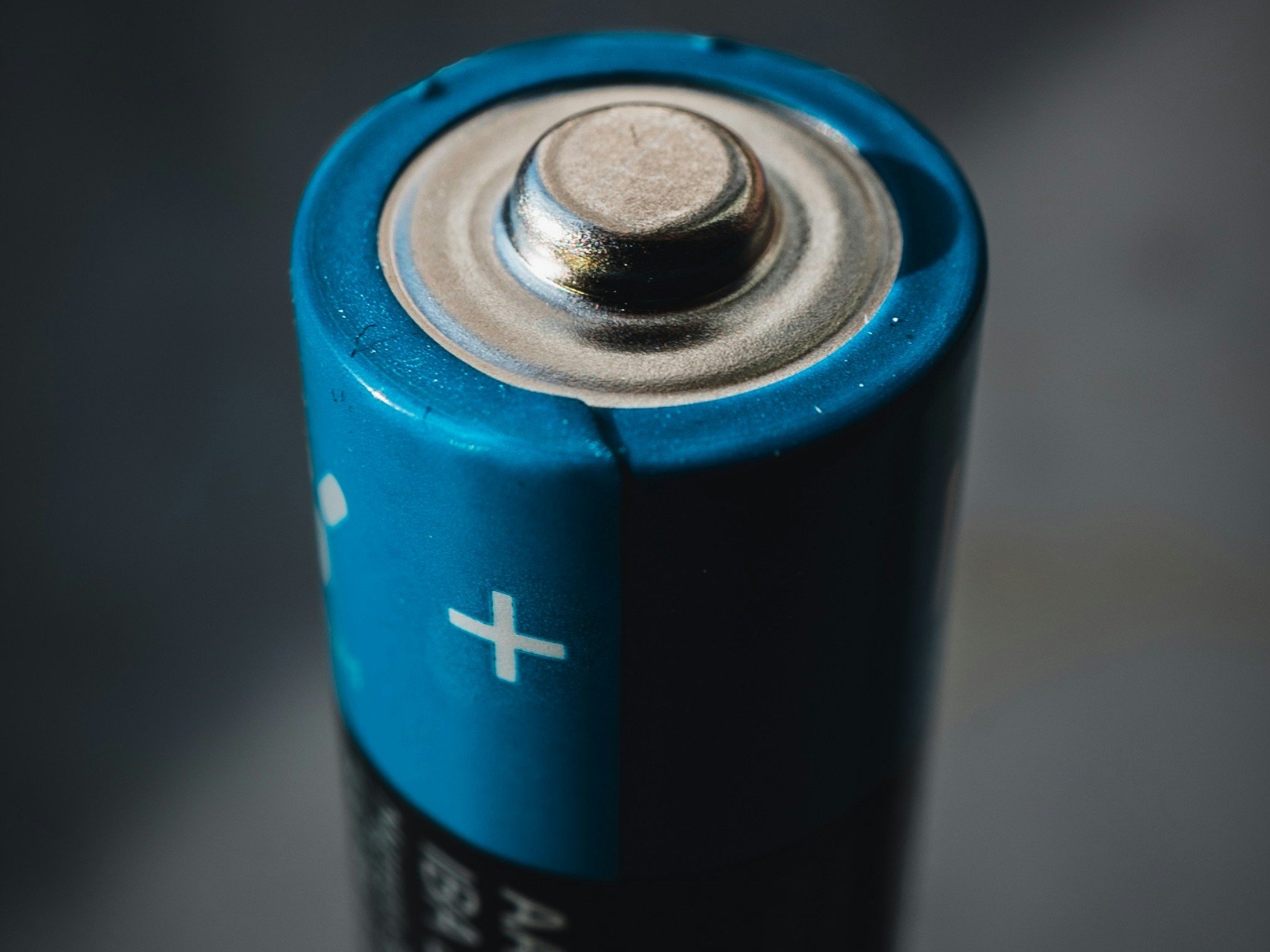
Telecom operators in Spain face a mandate to deploy extensive battery backup infrastructure across mobile network coverage zones.
Óscar López, the Minister for Digital Transformation and Public Administration, detailed the Royal Decree on Security and Resilience of electronic communications networks during the DigitalES Summit. Under these terms, carriers must guarantee four hours of continuous mobile coverage for 75 percent of the population if the power grid goes down. Madrid aims to sign off on the regulation before the end of 2026.
Most local transmission masts and macro-cell stations pull power straight from local utilities without internal storage backups to bridge multi-hour blackouts. Engineering four hours of off-grid operation forces substantial hardware investments, split between advanced lithium-ion blocks and traditional lead-acid configurations.
Supply chain managers are racing to purchase lithium iron phosphate technology, selected because it handles extreme heat well and packs tightly into small spaces. However, deploying these units demands structural engineering assessments.
Rooftop cell sites often operate near their maximum weight capacities. Tower structures require reinforcement to bear the wind load of wider battery cabinets. Network engineers must calculate exact power draw metrics for 5G radio units during peak traffic to right-size the backup power installations. Overprovisioning batteries wastes capital, while underprovisioning risks regulatory penalties.
Regulators designed a phased compliance schedule to spread the financial burden of these infrastructure upgrades over a three-year window. Operators must guarantee the four-hour battery backup capability for 50 percent of the population within the first year of the decree entering into force. The threshold increases to 65 percent in the second year. Full compliance targeting 75 percent of the Spanish population becomes mandatory by the third year.
Engineering teams will need to prioritise high-density urban clusters to meet early population coverage metrics efficiently. Rural and remote cell sites, which often experience longer grid restoration times and face harsher logistical upgrade hurdles, will likely form the final phase of the rollout schedule.
Spain elevates standards for core telecom infrastructure
Beyond edge coverage, the decree imposes aggressive uptime mandates on centralised network infrastructure. Intermediate-level facilities, encompassing regional management centres governing traffic across autonomous communities, must maintain active operations for a minimum of 12 hours without grid electricity.
Meeting this requirement forces data centre operators and wholesale carriers to audit existing uninterruptible power supply setups and onsite diesel generation capacity. Regional hubs must prove they store adequate onsite fuel reserves and maintain hardware capable of sustained operation through extended blackouts.
Essential first-level facilities face the heaviest regulatory burden. Control centres housing the centralised intelligence of the national network must guarantee 24 hours of total operational capacity independent of the primary power grid. A failure at these primary nodes threatens nationwide connectivity.
Securing 24-hour autonomy requires multi-tiered redundancy architectures incorporating dual utility feeds, massive battery backups for instant failover, and N+1 generator configurations backed by strict fuel delivery contracts. Teams managing these primary nodes must isolate mechanical and electrical pathways to prevent single points of failure from compromising the 24-hour mandate.
Predictive maintenance protocols should also be implemented for backup generators. Stored diesel fuel degrades over time, requiring active filtration and conditioning systems to ensure generators start instantly during a grid failure. Intelligent power management software should be used to monitor battery health, fuel levels, and generator diagnostics in real-time.
Resilient emergency communications
Connectivity providers serving 112 emergency call centres and public alert systems must draft and submit formalised Security and Resilience Plans. Regulators will demand concrete redundancy strategies featuring alternative communication channels.
Emergency response centres retain the authority to contract multiple service providers or operate fixed and mobile networks simultaneously. This multi-homing architecture ensures that localised network outages or technology-specific failures do not interrupt emergency dispatch operations. Operators bidding on public sector contracts must demonstrate flawless interoperability with secondary networks to guarantee continuous call routing.
Teams managing these public safety answering points must deploy advanced session border controllers and redundant enterprise routers. These devices actively monitor link quality across diverse service providers. If the primary optical fibre feed degrades, the system must instantly route Voice over IP traffic to a secondary carrier or a mobile backup connection without dropping active emergency calls. Implementing this active-active redundancy requires meticulous BGP routing configuration and rigorous failover testing schedules to validate the resilience plans submitted to regulators.
The legislation targets large-scale entities managing expansive digital footprints. The rules restrict operations across telecom networks, submarine cable landing stations, satellite firms, data centres, and internet routing nodes. Any company serving over 500,000 customers or clearing more than €50 million in yearly turnover must meet these requirements.
State auditors will monitor designated infrastructure providers and emergency vendors closely, though defense networks stay completely outside the legal scope. Spanish authorities view the enforcement of telecom resilience standards as a component of broader technological sovereignty.
Speaking in Madrid, López highlighted a €10 billion public funding pool set aside to back state programs in AI, quantum hardware, and deep tech markets. The State Secretariat for Technology and Innovation distributes this capital into high-growth tech businesses. Infrastructure projects include funding two AI factories and aggressive lobbying to host a European AI gigafactory. López noted that two-thirds of state investment resources currently fund green and digital transformation initiatives.
See also: Telefónica completes 17 edge computing nodes across Spain

Want to learn more about cybersecurity from industry leaders? Check out Cyber Security & Cloud Expo taking place in Amsterdam, California, and London. The comprehensive event is part of TechEx and is co-located with other leading technology events including the AI & Big Data Expo. Click here for more information.
Telecoms is powered by TechForge Media. Explore other upcoming enterprise technology events and webinars here.
👇Follow more 👇
👉 bdphone.com
👉 ultractivation.com
👉 trainingreferral.com
👉 shaplafood.com
👉 bangladeshi.help
👉 www.forexdhaka.com
👉 uncommunication.com
👉 ultra-sim.com
👉 forexdhaka.com
👉 ultrafxfund.com
👉 bdphoneonline.com
👉 dailyadvice.us