
Network operators are moving AI into daily operations. Instead of using AI mainly for analysis or support tools, some telecom companies are now deploying software agents that can carry out tasks in their systems.
Companies like Vodafone, AT&T, and Telefónica are applying what is often described as “agentic AI” in different parts of their business. These include network operations and internal finance processes.
At Vodafone AI agents are used in enterprise sales workflows. According to RCR Wireless, citing Microsoft, the system can generate a draft response to requests for proposals in minutes. Microsoft said that many telecom firms still take between 10 and 30 working days to produce a first draft. The change comes from automating parts of the workflow that previously required manual coordination between teams.
AI in telecom workflows
Operators have used machine learning for years in areas like network optimisation and fraud detection. What is changing is how these systems are applied. The newer approach focuses on agents that can complete tasks from start to finish.
At AT&T, AI is being integrated into network operations to help manage faults and performance issues. According to industry reports and operator briefings, these systems can assist in identifying problems and trigger responses when needed. In some cases, systems may carry out predefined actions without waiting for manual input.
Telefónica has also been working on similar ideas. The company has explored using AI to automate parts of its internal processes, including customer service and back-office functions. Telecom industry coverage suggests these efforts are aimed at reducing repetitive manual work. They still keep human oversight in place.
The common thread in these efforts is the move toward scale. Operators are working toward environments where many agents run in different systems. In many cases, these systems operate at the same time, which raises a set of challenges.
Scale and constraints
As AI agents become part of core operations, telecom companies are running into limits that were less visible during early trials.
One issue is data governance. Telecom operators handle large amounts of sensitive data, including customer information and network data. Any system that uses this data must follow strict rules, especially in regions covered by laws like the General Data Protection Regulation. The requirements affect how AI models are trained. They also shape how decisions are made and how actions are logged.
Another constraint is the skills gap. Running AI systems at scale requires a mix of expertise, including data engineering and system design. Many operators are still building these abilities. Industry analysis has noted that telecom companies often need to balance internal development with external support.
There is also the question of how to manage large numbers of AI agents. When multiple systems are making decisions and taking actions, operators need ways to track what each agent is doing, including monitoring performance and handling errors. It also means ensuring that actions remain in defined limits. These are not issues that traditional automation systems were designed to handle.
The GSMA have highlighted similar concerns. It notes that while AI can improve efficiency, operators still need clear frameworks for governance and operational control.
Operational infrastructure
Many deployments are still limited in scope, and operators continue to test how far they can extend these systems. Even so, the direction is becoming clearer. AI is starting to take on roles that involve direct action, not analysis.
This creates both opportunities and pressure for telecom companies. On one hand, AI agents can reduce the time needed to complete routine tasks and improve how systems respond to events. On the other hand, scaling these systems requires new ways to manage risk and operations.
The experience of companies like Vodafone, AT&T, and Telefónica suggests that the technology is moving, but the operational model is still being worked out. As more agents are deployed, the focus is likely to change from what AI can do to how it is controlled.
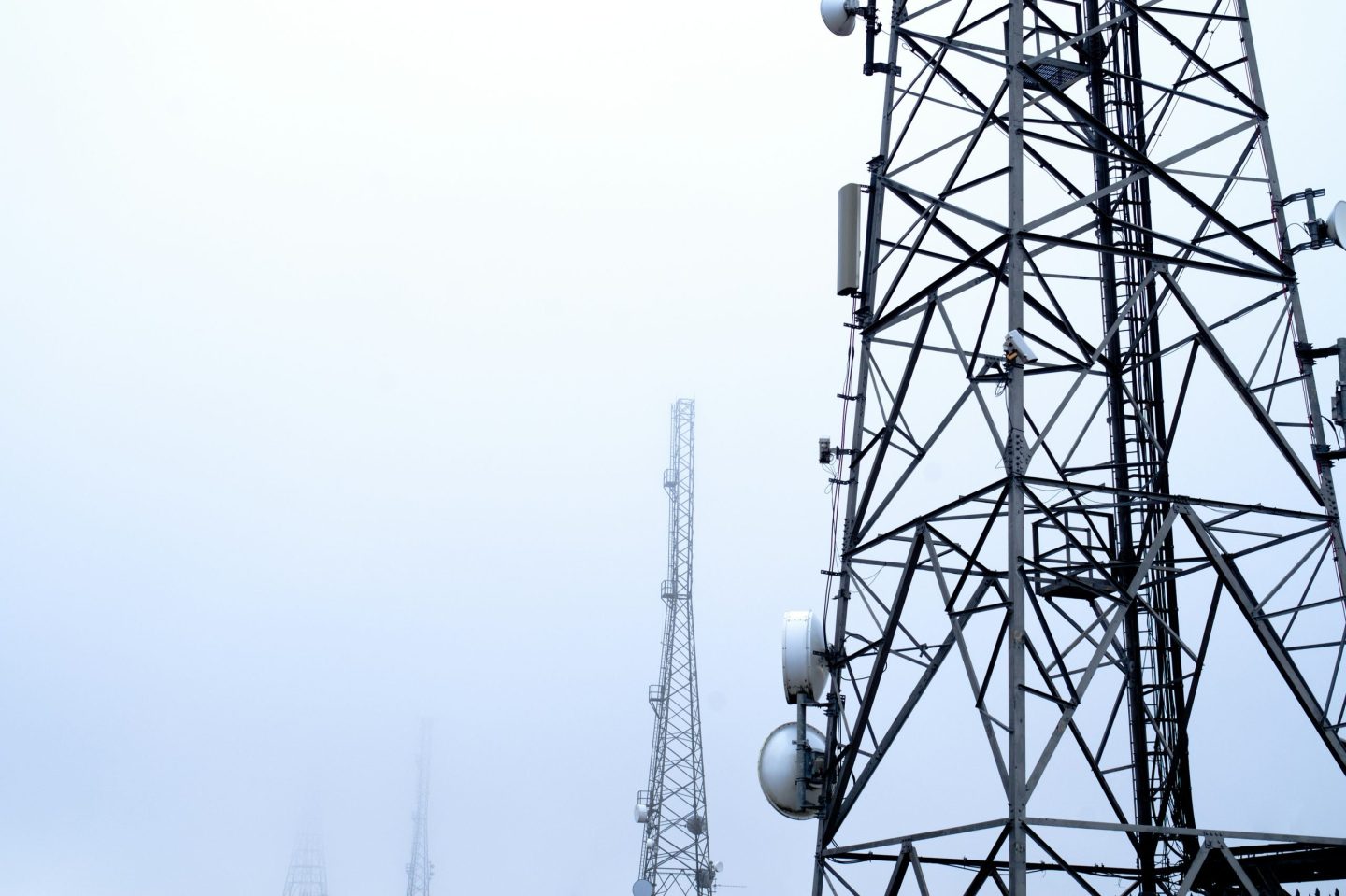
(Photo by David Arrowsmith)
See also: The path to ‘Mobile AI’ laid out in GSMA report

Want to discover how IoT is transforming telecoms and connectivity? Join the IoT Tech Expo in Amsterdam, California, and London. Explore how innovations in 5G, edge computing, and IoT are shaping the future of networks and services. The event is part of TechEx and co-located with other leading technology conferences. Click here for more information.
Telecoms News is powered by TechForge Media. Explore other upcoming enterprise technology events and webinars here.
👇Follow more 👇
👉 bdphone.com
👉 ultractivation.com
👉 trainingreferral.com
👉 shaplafood.com
👉 bangladeshi.help
👉 www.forexdhaka.com
👉 uncommunication.com
👉 ultra-sim.com
👉 forexdhaka.com
👉 ultrafxfund.com
👉 bdphoneonline.com
👉 dailyadvice.us