
Japan’s mobile market remains highly competitive, with four national operators pursuing distinct strategies for speed, coverage, and 5G deployment. New data from Ookla shows how decisions shape regular network use, particularly as 5G expands beyond big cities.
According to Speedtest Intelligence data from the third quarter of 2025, SoftBank has the fastest median download speeds in all network types, at 62.05Mbps. That puts it slightly ahead of KDDI’s au network at 57.85 Mbps. Rakuten Mobile and NTT DOCOMO followed with median speeds of 53.54 Mbps and 50.50 Mbps.
SoftBank’s results reflect continued work to improve network speed and reliability in areas with heavy traffic. That focus, however, does not always translate into wider 5G access.
Rakuten Mobile recorded the fastest median 5G speeds during the same period. Its median 5G download speed reached 128.39 Mbps, with upload speeds of 22.34 Mbps, even though its combined median speed ranked third overall. SoftBank followed closely with a median 5G download speed of 127.45 Mbps and uploads of 17.51 Mbps.
High national coverage hides uneven 5G use in Japan
Japan’s mobile market is already saturated. With around 194 million cellular connections and a penetration rate of 157% in early 2025, operators are competing less on subscriber growth and more on service quality and access to newer networks. Government figures show that 5G population coverage reached 98.4% by the end of fiscal year 2024.
Availability data highlights the gap between coverage and actual use. Across all operators, 4G Availability remains consistently high, with scores above 97%, showing how central LTE still is to nationwide service.
5G Availability varies more widely. This measure tracks how often users with 5G-capable devices are connected to a 5G network. NTT DOCOMO achieved the highest score of 38.4%, over six percentage points better than au. SoftBank had the lowest 5G availability at 26.5%, despite delivering the fastest overall median speeds.
The data indicate a typical trade-off. Operators typically prioritise 5G investment in dense urban areas with significant demand, while relying on 4G to maintain coverage throughout the rest of the country, particularly in harder-to-reach regions.
Geography shapes 5G access in Japan’s prefectures
Japan’s population is heavily concentrated in cities, with more than 92% of residents living in urban areas. At the same time, spectrum licences issued by the Ministry of Internal Affairs and Communications require operators to provide service in all 47 prefectures, including rural and mountainous regions.
Ookla’s data shows wide differences in 5G availability at the prefectural level. Osaka recorded the highest score at 35.2%, while Yamanashi ranked lowest at 9.1%. In practice, this means users in Yamanashi were almost four times less likely to connect to 5G than users in Osaka.
Prefectures with higher 5G availability closely match population and economic activity. Osaka, Tokyo, Aichi, and Kanagawa all posted strong results, reflecting focused deployment in dense markets. Inland and mountainous prefectures like Yamanashi and Nagano recorded much lower access, highlighting the cost and difficulty of extending 5G into areas with fewer users.
The gaps contribute to a growing urban-rural divide. Users in less populated regions not only spend less time connected to 5G, but often see slower speeds when they do connect.
Speed does not always follow access
In many cases, higher 5G availability comes with faster median speeds. Osaka combined 35.2% 5G Availability with a median 5G download speed of 172 Mbps, while Tokyo recorded 33.7% availability and median speeds of 128 Mbps. Some prefectures break that pattern. Yamagata recorded the fastest median 5G speed in the country at 181 Mbps, despite a relatively low 5G Availability score of 13.9%. This suggests that while 5G infrastructure exists to meet coverage rules, low user density limits congestion, allowing higher speeds when users are connected.
Lower-end performance shows quality gaps
Looking at 10th percentile 5G download speeds helps explain how networks perform at the lower end. The measure reflects the experience of the slowest 10% of users.
NTT DOCOMO generally posted stronger results at this level, recording the highest or near-highest minimum speeds in many prefectures, including 41 Mbps in Ishikawa. SoftBank achieved the highest single result, reaching 49 Mbps in Aomori, but its performance varied widely. In some areas, its minimum speeds fell sharply, dropping to 4 Mbps in Nagano and 6 Mbps in Chiba.
au and Rakuten Mobile showed lower but more consistent minimum speeds, pointing to fewer sharp drops but less headroom overall. Urban prefectures again stood out, with narrower gaps between users due to higher site density.
Consistency improves where speeds are higher
Ookla’s 5G consistency score shows a clear link between speed and reliability. Prefectures with higher median speeds were more likely to support stable use, like video streaming. SoftBank recorded the highest consistency scores in many regions, particularly in Hokkaido and Tōhoku. NTT DOCOMO and au also showed steady performance, reflecting the benefits of established networks and ongoing upgrades. Lower consistency scores were more common in rural and geographically difficult areas, including parts of northern Kanto.
National progress, uneven local results
Japan’s 5G rollout has achieved near-universal population coverage through regulation and sustained investment. That goal has largely been met. Performance data, however, shows clear differences in access and quality depending on location.
Closing those gaps will require continued, targeted investment in regions that remain harder to serve. Without that focus, uneven 5G experience is likely to persist, even as national coverage figures remain high.
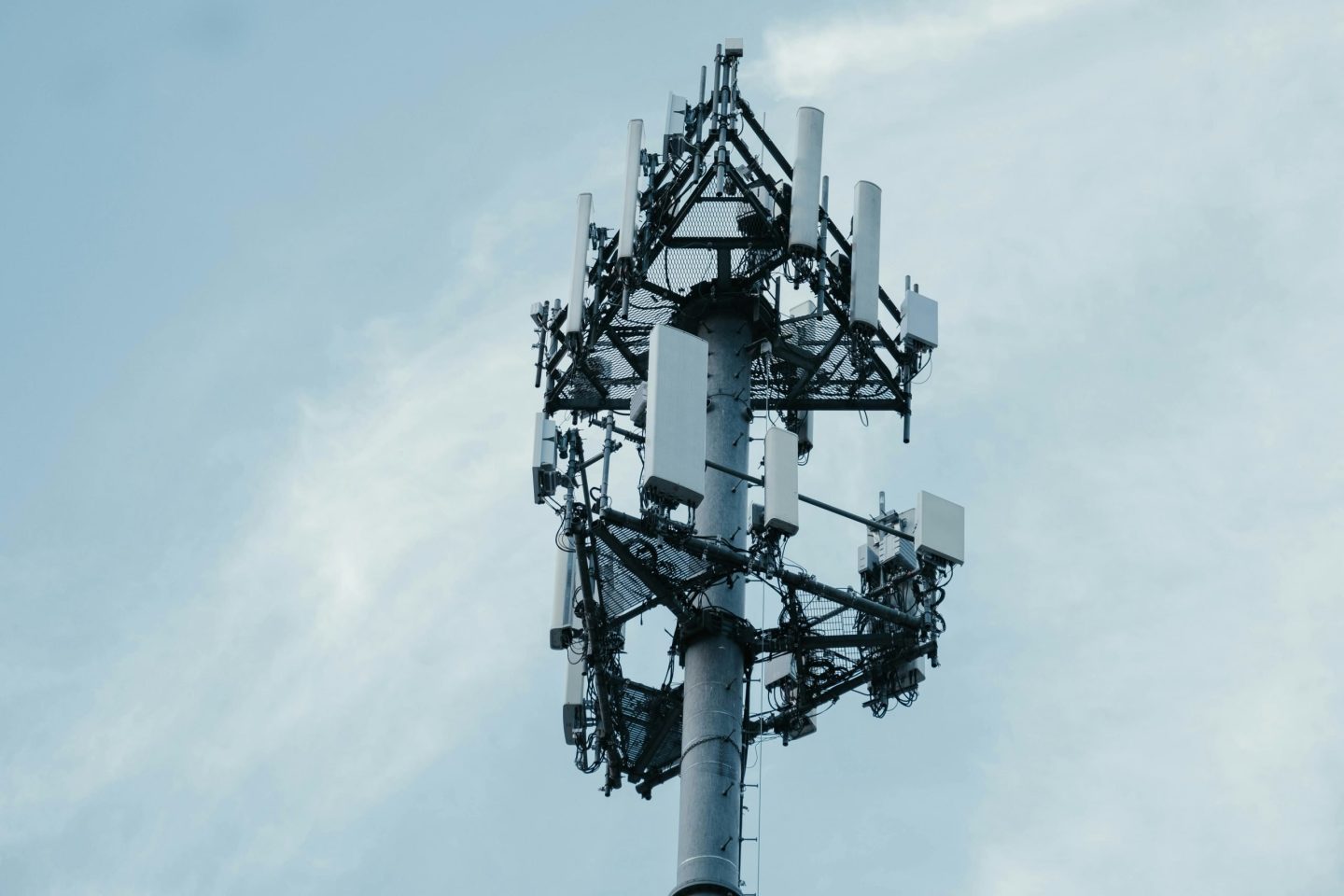
(Photo by Zac Gudakov)

Want to discover how IoT is transforming telecoms and connectivity? Join the IoT Tech Expo in Amsterdam, California, and London. Explore how innovations in 5G, edge computing, and IoT are shaping the future of networks and services. The event is part of TechEx and co-located with other leading technology conferences. Click here for more information.
Telecoms News is powered by TechForge Media. Explore other upcoming enterprise technology events and webinars here.
👇Follow more 👇
👉 bdphone.com
👉 ultractivation.com
👉 trainingreferral.com
👉 shaplafood.com
👉 bangladeshi.help
👉 www.forexdhaka.com
👉 uncommunication.com
👉 ultra-sim.com
👉 forexdhaka.com
👉 ultrafxfund.com
👉 bdphoneonline.com
👉 dailyadvice.us